
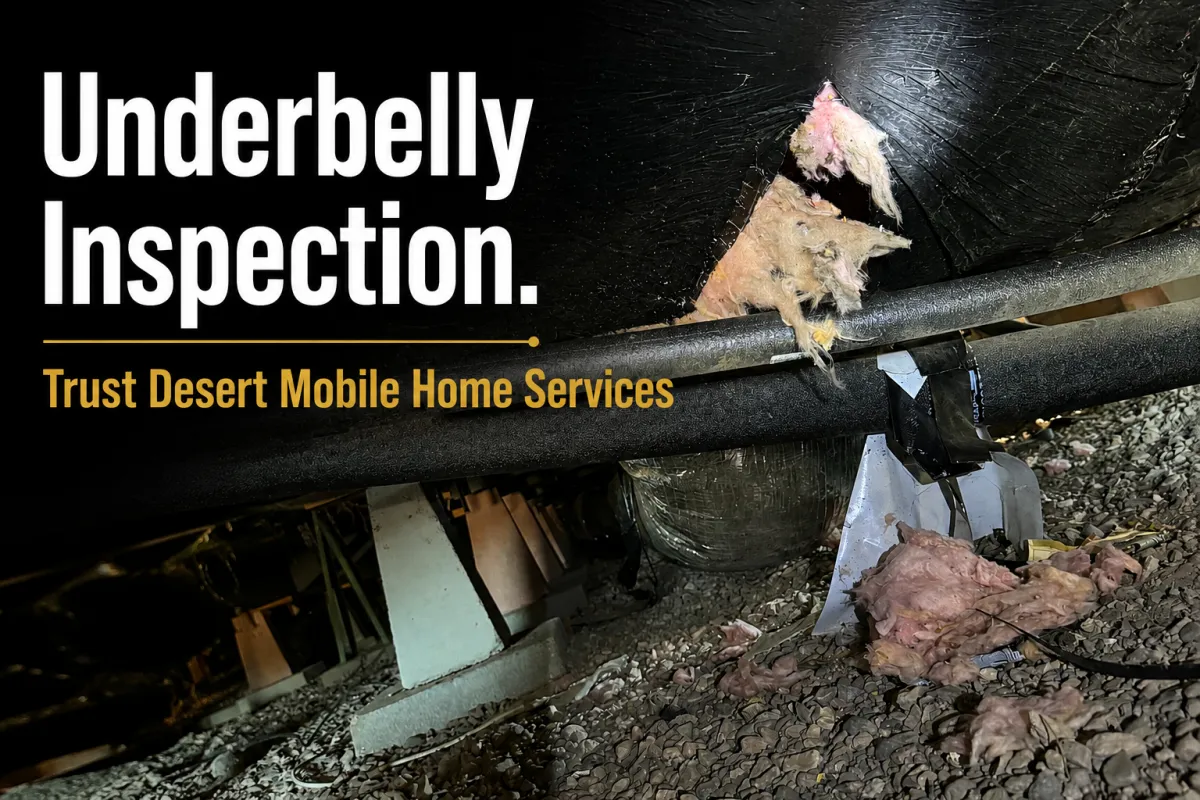
Underbelly Inspection: Protect Your Home's Foundation
Underbelly Inspection 101: Protecting Everything Underneath Your Home
A thorough underbelly inspection is one of the most overlooked, yet most important, steps in keeping your Arizona home safe, dry, and energy efficient. Whether you have a mobile home in Phoenix, a manufactured home in Tucson, or any structure with exposed underbelly parts, knowing what to look for beneath your feet can prevent expensive repairs, water damage, and high energy bills later on.
What Is an Underbelly Inspection and Why It Matters
An underbelly inspection focuses on the space directly beneath your home’s living area. For many Arizona manufactured and mobile homes, this includes the enclosed underbelly where plumbing, ducts, and insulation are housed. For site-built homes, it often means accessing the crawl space to review structural parts, moisture control, and all the lines running underneath the floor system.
During an underbelly inspection, the goal is simple: make sure everything underneath is dry, secure, and property supported. Inspectors look for sagging materials, gaps, standing water, signs of pests, and any damage that could hurt the structure or your indoor air quality. Catching issues early can prevent mold growth, wood rot, and rising energy bills—all common concerns for Arizona homeowners.
Checking the Vapor Barrier: Your First Line of Defense Against Moisture
A critical part of any underbelly inspection is checking the vapor barrier. This barrier is usually a heavy plastic or special membrane that covers the ground or the underside of the floor system. Its job is to block ground moisture from moving into your home, where it can cause condensation, mold, and musty smells—even in our dry Arizona climate, especially after monsoon rains or irrigation leaks.
Look for tears, holes, or missing sections in the vapor barrier material, especially under bathrooms and kitchens.
Check that seams are overlapped and, ideally, taped or sealed to reduce gaps where damp air can sneak in.
Confirm that the barrier reaches foundation walls or piers, instead of stopping short and leaving bare soil exposed.
If you see damp spots, condensation on ducts or pipes, or a strong earthy smell, your vapor barrier may not be doing its job. Repairing or replacing it can dramatically improve comfort and help protect your Arizona mobile home or manufactured home from hidden mold and water damage.
Understanding Your Crawl Space and Its Hidden Risks
The crawl space is often out of sight and out of mind, but it plays a big role in your home’s health. This low-clearance area usually holds beams, joists, plumbing lines, and sometimes HVAC ducts. Because it is close to the ground, it is especially open to moisture, pests, and temperature swings that can affect the rooms above—something Arizona homeowners feel as hot floors in summer and drafty spots in winter.
As part of a crawl space inspection, professionals look for sagging or damaged insulation, soft or discolored wood, and any signs of past flooding or plumbing leaks. They also check that vents, access doors, and foundation walls are intact. If your crawl space is not sealed or encapsulated, moisture can easily enter and stay, creating the perfect place for mold and wood-destroying bugs—even in the Arizona desert.
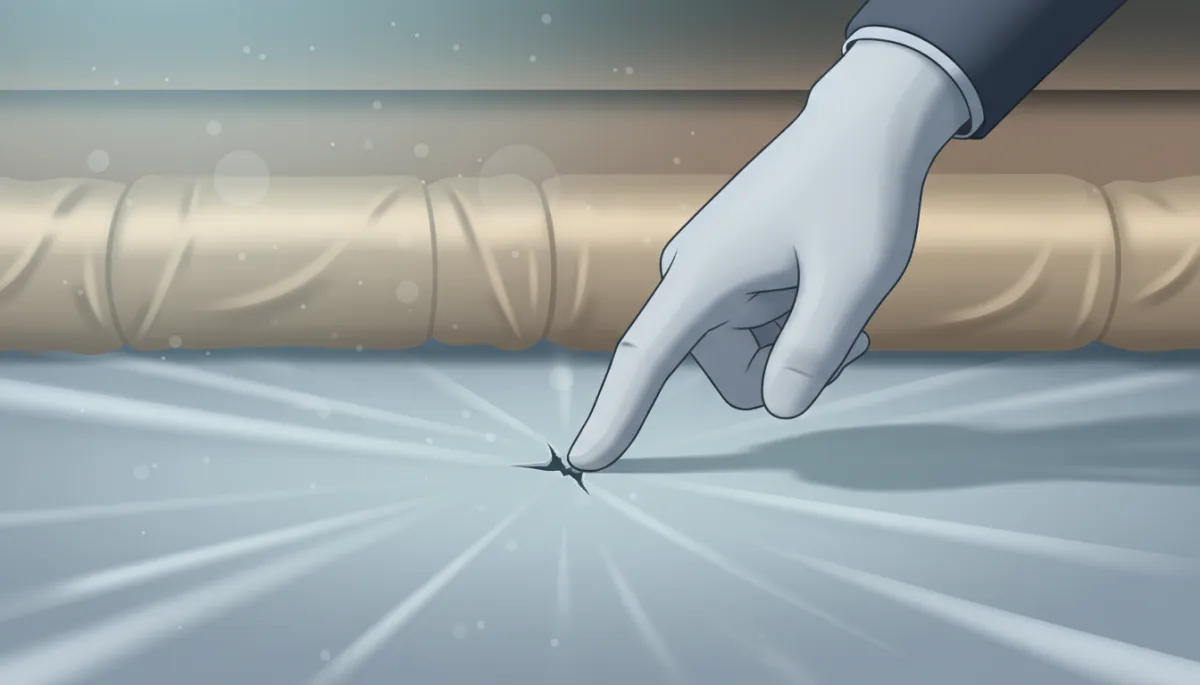
Small tears in vapor barriers around ducts can lead to major moisture and energy losses over time.
Inspecting Everything Underneath: Structure, Insulation, and Supports
A truly effective underbelly inspection means looking at everything underneath the living space, not just one or two parts. This includes the condition of floor joists, beams, support piers, and any blocking or shims used to level the home—very important for older Arizona mobile homes that may have settled over time. Inspectors also check insulation for sagging, compression, or contamination from rodents and insects.
Any signs of shifting supports, cracked piers, or separated joints should be taken seriously. Left alone, they can lead to uneven floors, wall cracks, and doors or windows that stick. By taking a whole-systems look at the area beneath your home, you get a clearer picture of its overall stability, foundation health, and long-term safety.
“Most Arizona homeowners never crawl under their homes. That’s exactly why small underbelly issues can quietly turn into big, expensive problems.”
— Local Mobile Home Inspector
Finding Leaks or Ducts Underneath: Comfort and Efficiency Issues
One of the most valuable parts of an underbelly inspection is finding leaks or ducts underneath that are not working as they should. Water leaks from supply lines, drain pipes, or water heaters can soak insulation, damage wood, and attract pests long before you see a problem inside the home. In Arizona, where water is precious, even a small hidden leak can waste a lot of water and money.
Disconnected or poorly sealed ducts can blow cooled or heated air into the crawl space instead of the rooms above, wasting energy and putting extra strain on your HVAC system. If your energy bills keep going up or some rooms never feel comfortable, the problem could be underneath your Arizona home, not inside it.
Examine plumbing lines for corrosion, drips, or mineral buildup at joints and fittings—especially near water heaters and bathrooms.
Check duct connections, seams, and hangers to be sure they are tight, insulated, and properly supported so cool air reaches your living spaces.
Look for rust on metal parts or dark stains on wood and insulation, which often signal slow, ongoing leaks.
Rely on Desert Mobile Home Services who understands mobile homes and our Arizona climate, the areas you rarely see stay in top shape—so the home you do see every day can perform at its best for years to come.
Schedule an inspection or request an estimate today!
📞Call us at +1 (833) 922-2257
📧Email:[email protected]
🌐Visit:https://desertmobilehomeservices.com
